The Definitive Guide to Chronic Disease Prevention for Adults Over 40: Small Shifts, Big Impact

Small Shifts, Big Impact: Evidence-Based Lifestyle Strategies for a Healthier Future

80%

Preventable Chronic Diseases

4

Key Lifestyle Pillars

1,000+

Lives Transformed

Chronic Disease Prevention for Adults

Here’s a sobering fact: the World Health Organization reports that up to 80% of premature heart disease, stroke, and type 2 diabetes could be prevented. As we move into our 40s and beyond, the risk for these and other chronic conditions can feel like it’s on a steady rise. It’s easy to think these health issues are an inevitable part of ageing, something that just happens to us. But that’s not the full story: chronic disease prevention for adults over 40 is not only possible, it’s within our control.

The reality is, we have more control over our future health than we often believe. The key isn’t a complete life overhaul or extreme, unsustainable routines. The real, lasting change comes from small, consistent shifts in our daily habits.

The Lifestyle Strides Framework

At Lifestyle Strides CIC, we’ve developed a gentle, evidence-based approach designed specifically for midlife and beyond. This framework focuses on practical lifestyle strategies for disease prevention that fit into your real life, helping you build resilience, health, and joy for the years ahead.

To make this guide easy to use, we’ve broken our approach down into four key pillars:

  • Movement: Moving with confidence through gentle, sustainable exercise
  • Nutrition: Nourishing for longevity with simple, smart food choices
  • Sleep: The foundation of recovery and cellular repair
  • Mindset: Strengthening resilience through stress management

Understanding the Risk: The Importance of Prevention After 40

In our 40s that many of us start noticing subtle shifts. Maybe we can’t bounce back from a late night as quickly, or that extra slice of pizza seems to stick around a little longer. These aren’t just annoyances; they are signals from our body.

The Reality of Chronic Disease

In the UK, chronic diseases such as heart disease, stroke, cancer, and diabetes are responsible for around 70% of all deaths, according to public health data. These conditions often develop silently over years, but research shows that even small lifestyle changes can make a big difference. For example, a major study suggests that walking 7,000 steps a day may boost brain function and help protect against a range of diseases. While ageing brings natural changes, many of these risks can be delayed or even prevented through consistent, evidence-based lifestyle choices.

At Lifestyle Strides, we’ve seen firsthand how implementing targeted lifestyle strategies for disease prevention can dramatically reduce health risks while improving quality of life. The decisions you make today can significantly influence your health for decades to come. This isn’t about fear; it’s about empowerment through knowledge.

The Shift: Why Your Metabolism and Body Change in Midlife (40+)

Chronic Disease Prevention for Adults Over 40

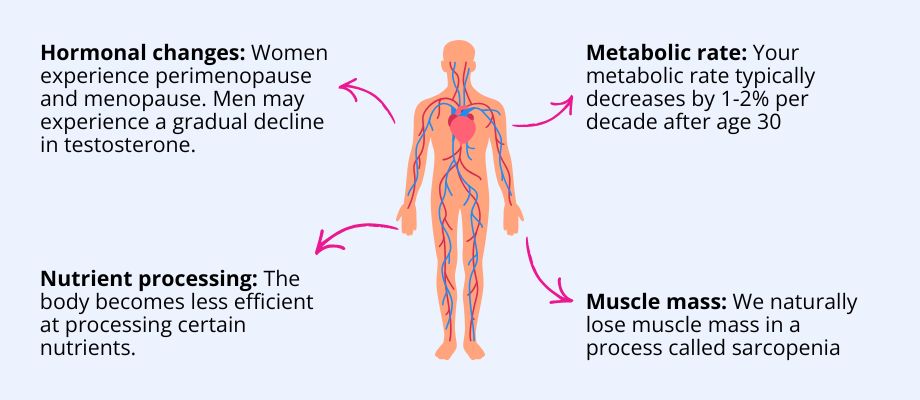
Around age 40, most people begin experiencing gradual physiological changes that can increase their risk for chronic conditions. Research from the National Institute on Ageing shows that these changes are a normal part of ageing, but understanding them allows us to address them proactively.

Metabolic Rate

Your metabolic rate typically decreases by 1-2% per decade after age 30. A primary reason for this is the natural loss of muscle mass. Muscle tissue is more metabolically active than fat, meaning it burns more calories even when you're at rest. Less muscle means a slower engine.

Muscle Mass

We naturally lose muscle mass in a process called sarcopenia. This doesn't just affect your strength; it impacts your balance, mobility, and metabolism, increasing the risk of falls and frailty later in life.

Hormonal Changes

Hormonal shifts affect both men and women. Women experience perimenopause and menopause, which can impact sleep, mood, and where the body stores fat (often around the abdomen). Men may experience a gradual decline in testosterone, which can also affect muscle mass, energy levels, and bone density.

Nutrient Processing

The body becomes less efficient at processing certain nutrients. For example, your ability to absorb Vitamin B12 (crucial for nerve function and energy) and calcium (essential for bone health) can decrease, making mindful nutrition even more important.

These changes aren’t signs of failure—they’re normal biological processes. The Lifestyle Strides approach acknowledges these shifts and adapts accordingly, ensuring that your health strategies remain effective throughout midlife and beyond. And that’s why it matters to work with your body, not against it.

Key Chronic Conditions to Target

Chronic Disease Prevention For Adults Over 40: Type 2 Diabetes

The Diabetes UK reports that adults over 40 are at increased risk for type 2 diabetes, with that risk continuing to rise with age. This condition affects how your body processes blood sugar, leading to high levels in the bloodstream that can cause serious damage to nerves, blood vessels, and organs over time. 

The Good News

The landmark Diabetes Prevention Programme research shows that lifestyle changes like moderate weight loss (just 5-7% of body weight) and regular physical activity can reduce the risk of developing type 2 diabetes by up to 58% in high-risk individuals—even more effective than medication.

Cardiovascular Disease/Heart Health

Heart disease remains a leading cause of death for adults in the UK. After 40, factors like blood pressure, cholesterol levels, and arterial stiffness tend to become less favorable. Your “bad” LDL cholesterol might creep up, while your “good” HDL cholesterol may decrease.

The NHS emphasizes that lifestyle factors—including physical activity, nutrition, and stress management—play a crucial role in maintaining heart health. Our programmes at Lifestyle Strides focus on gentle, sustainable changes that support cardiovascular wellness.

Chronic Stress and Burnout

While often overlooked, chronic stress is a major driver of other health problems. It keeps your body in a constant “fight-or-flight” mode, flooding your system with cortisol. Over time, this can lead to high blood sugar, increased belly fat, and systemic inflammation—all direct pathways to chronic disease.

The midlife years often bring increased responsibilities, career pressures, and family demands that can elevate stress levels. Research shows that chronic stress is linked to a higher risk of serious health problems such as heart disease, stroke, diabetes and other chronic conditions. Managing stress—through techniques like mindfulness, exercise, good sleep and social support—is therefore a key part of disease‑prevention strategies.

Ready to Get Personalized Guidance?

Our Lifestyle Leap programme combines gentle running, strength training, nutrition habits challenges, mental well-being practices, and expert-supported training, our program offers everything you need to live your best life.

The Movement Mandate: Why We Prioritise Kindness Over Force

Lifestyle illness prevention in Manchester

When it comes to exercise, especially for chronic disease prevention for adults over 40, the conversation is often dominated by intense workouts and “no pain, no gain” mentalities. The reality is: that approach can be intimidating, unsustainable, and even lead to injury, ultimately derailing your progress.

At Lifestyle Strides, we believe in a different path. Our philosophy is built on kindness over force, focusing on gentle, consistent movement that respects your body’s current state while gradually building its capabilities. This isn’t about pushing yourself to the brink; it’s about creating a sustainable and enjoyable relationship with activity that you can maintain for life. And that’s why it matters for long-term health.

The Gentle Approach to Aerobic Health

Your heart and lungs are the engine of your body, and keeping them healthy is a cornerstone of disease prevention. But you don’t need to run a marathon to reap the benefits. Low-impact exercise for chronic disease prevention is a powerful strategy that protects your joints while effectively improving your cardiovascular health.

Walking

It's the most fundamental human movement, and it's incredibly effective. A daily brisk walk can help manage weight, lower blood pressure, and reduce the risk of heart disease. The best part? It's free, accessible, and easy on your joints.

Brisk Walking

Once walking feels comfortable, increasing your pace slightly elevates your heart rate into a more vigorous zone. This simple adjustment can significantly boost your cardiovascular fitness and help regulate blood sugar levels, a key factor in preventing type 2 diabetes.

Gentle Running

For those who want to progress, a gentle approach to running is key. This means focusing on short intervals, listening to your body, and prioritizing proper form over speed. It's about building endurance gradually without the stress and injury risk often associated with traditional running programmes.

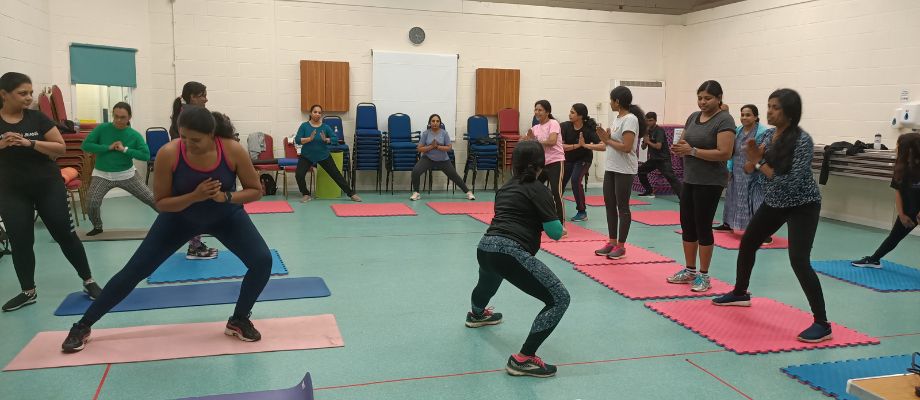
Strength Training: The 80/20 Rule for Midlife

Many people over 40, especially women, underestimate the importance of strength training for bone density after 40. As we age, we naturally lose muscle mass and bone density, a process that accelerates during midlife. This can lead to a higher risk of osteoporosis, frailty, and injury. Strength training is your best defence.

The 80/20 Principle

  • Focus on the 20% of exercises that give you 80% of the benefits
  • Just two sessions a week, lasting 20-30 minutes
  • Use bodyweight, resistance bands, or light weights
  • The goal is functional strength for daily life, not bodybuilding

Movement as Medicine: Reducing Risk and Stress

The benefits of movement extend far beyond the physical. Regular activity is one of the most effective lifestyle strategies for disease prevention because it directly combats chronic stress—a major contributor to illnesses like heart disease and diabetes.

When you move, your body releases endorphins, which are natural mood elevators. It also helps lower cortisol, the stress hormone that can cause inflammation and damage over time. This combination of physical and mental benefits makes movement a powerful form of medicine.

Time to Take Action

Discover the science and art of transforming yourself from couch potato to 5K finisher. Our program is tailored for runners over 40, providing a structured approach to build endurance, strength, and confidence. Learn proven strategies to overcome common challenges, stay motivated, and celebrate your progress every step of the way. Whether you’re a complete beginner or returning to running after a break, Couch to 5K Camp offers the support and guidance you need to achieve your goals.

Fueling Prevention: Simple, Sustainable Nutrition Strategies

When it comes to nutrition, the sheer volume of advice can be overwhelming, especially when you’re focused on chronic disease prevention for adults over 40. It often feels like you need to cut out everything you enjoy.

Here’s the truth: at Lifestyle Strides, we believe in a different approach. Effective nutrition isn’t about restriction; it’s about making small, smart additions and simple shifts that build a powerful foundation for your health. The goal is to create a way of eating that is both sustainable and enjoyable.

The Power of Fiber

If there’s one nutritional hero for midlife health, it’s fiber. It plays a critical role in managing two major risk factors for chronic disease: blood sugar levels and cholesterol.

How Fiber Works

Soluble fiber, found in foods like oats, beans, apples, and carrots, dissolves in water to form a gel-like substance in your digestive tract. This gel slows down the absorption of sugar, helping to prevent the sharp spikes that can lead to insulin resistance and type 2 diabetes. It can also bind to cholesterol particles and help remove them from your body, lowering your risk of heart disease.

Easy Ways to Add More Fiber:

  • Start your morning with a bowl of oatmeal or a whole-grain cereal
  • Add beans or lentils to your soups, salads, and main dishes
  • Choose whole fruits over fruit juices to get the full benefit of the fiber
  • Swap white bread and pasta for their whole-wheat counterparts

Simple Hydration Habit

Drink a glass of water first thing in the morning before you reach for coffee or tea. Throughout the day, keep a water bottle handy as a visual reminder. While the “eight glasses of water a day” rule is a good starting point, your needs may vary. Pay attention to your body’s signals.

Chronic Disease Prevention For Adults Over 40: Targeting Inflammation

Chronic low-grade inflammation is a key driver in many diseases, including heart disease, arthritis, and certain cancers. Think of it as a slow, simmering fire inside your body that, over time, causes damage.

One of the most effective lifestyle strategies for disease prevention is to adopt an anti-inflammatory eating pattern. This sounds complex, but it’s beautifully simple and is the foundation of well-researched approaches like the Mediterranean and DASH diets.

Colorful Fruits and Vegetables

These are packed with antioxidants that help fight inflammation. Aim to make your plate as colorful as possible. The more variety, the better.

Healthy Fats

Swap saturated fats for unsaturated ones found in olive oil, avocados, nuts, and fatty fish like salmon, which are rich in omega-3s that reduce inflammation.

Whole Grains

Foods like quinoa, brown rice, and barley provide sustained energy and more fiber than their refined counterparts, supporting stable blood sugar levels.

These eating patterns naturally support healthy weight management, which is another crucial aspect of prevention. For more detailed guidance, you can explore our tips on healthy weight management after 40 or download our free nutrition guide.

The Hydration Check

This might be the simplest yet most overlooked strategy. Water is essential for nearly every function in your body, from regulating temperature to lubricating joints and helping your kidneys flush out toxins. Proper hydration also helps with energy levels and can even aid in appetite control, as we sometimes mistake thirst for hunger.

Ready to Get Personalized Guidance?

Our Lifestyle Leap programme combines gentle running, strength training, nutrition habits challenges, mental well-being practices, and expert-supported training, our program offers everything you need to live your best life

Discover effective diet tips, healthy recipes, workout routines, and lifestyle changes to achieve sustainable weight loss after 40.

Download your FREE copy of “10 Weight Loss Secrets for Midlife Runners” and unlock a personalized path to weight loss success!

Rest and Resilience: The Hidden Pillars of Health

Chronic Disease Prevention for Adults Over 40

When we talk about chronic disease prevention for adults over 40, the conversation often jumps straight to diet and exercise. While those are essential, they are only part of the equation. Two of the most powerful, yet frequently overlooked, lifestyle strategies for disease prevention are quality sleep and effective stress management.

Think of them as the hidden pillars of health. Neglecting them can undermine your best efforts in the kitchen and the gym. Your body needs time to rest, repair, and reset to function optimally.

The Sleep Prescription

It’s tempting to cut back on sleep to squeeze more into your day, but here’s what happens when you do. Lack of quality sleep throws your hormones out of balance, particularly one called cortisol. You might know cortisol as the primary stress hormone.

The Cost of Poor Sleep

When you’re sleep-deprived, your body produces more cortisol, and this can lead to a cascade of problems. Chronically high cortisol levels are linked to increased inflammation, higher blood sugar, and elevated blood pressure—all major risk factors for chronic disease.

Sleep is also when your body does most of its repair work. During deep sleep, your muscles recover, your immune system strengthens, and your brain consolidates memories and processes emotions. Skipping sleep isn’t just about feeling tired; it’s robbing your body of essential recovery time.


Your Sleep Prescription

  • Aim for 7–8 hours per night
  • Create a relaxing bedtime routine (reading, warm bath)
  • Make your bedroom cool, dark, and quiet
  • Avoid screens 1 hour before bed
  • Keep consistent sleep and wake times

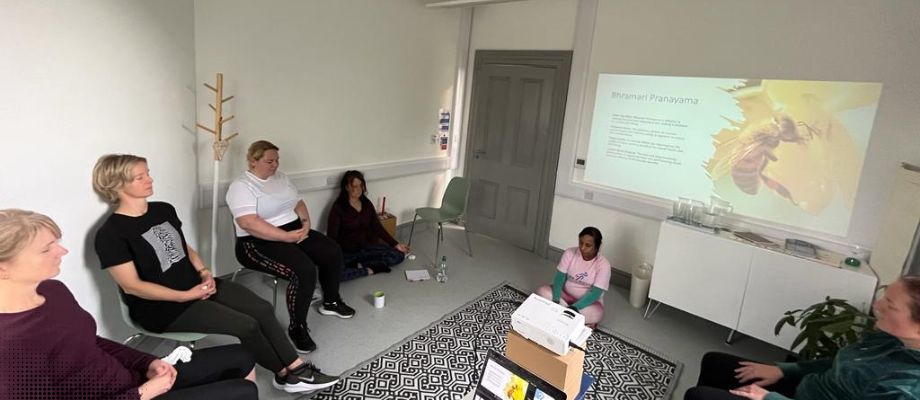
Mindful Movement

The idea of sitting still to meditate can feel challenging or even impossible for many people. That’s perfectly okay. Here’s the truth: you can still reap the benefits of mindfulness through movement. This is what we call “Mindful Movement” and it’s a core part of our approach to mindful stress reduction.

Instead of getting lost in your thoughts or worries during a walk, try focusing on the physical sensations. Feel your feet making contact with the ground, notice the rhythm of your breathing, and observe the feeling of the air on your skin.

Benefits of Mindful Movement

This simple practice helps to calm your nervous system, shifting it out of the “fight or flight” stress response and into a “rest and digest” state. Over time, this builds emotional resilience, teaching you that you have the power to manage your internal state, regardless of external circumstances.

Small Moments of Stillness

While movement is a wonderful tool, there is also a place for small moments of stillness in your day. This doesn’t have to mean a 30-minute meditation. It can be as simple as taking three deep, intentional breaths before you start your car, or spending one minute quietly listening to the sounds around you without judgment.

These brief pauses act as a reset button for your nervous system, breaking the cycle of chronic stress.

Build Your Mindfulness Practice

The Mindfulness Strides App provides short, guided exercises designed to fit seamlessly into your life, helping you find those small moments of stillness and build a more resilient mindset.

Taking the First Step: Your Prevention Action Plan

Throughout this guide, we’ve explored a simple truth: the most effective approach to chronic disease prevention for adults over 40 isn’t about drastic, life-altering overhauls. It’s built on our “Small Shifts, Real Change” philosophy.

Consistent, manageable actions in how you move, eat, sleep, and manage stress are the most powerful lifestyle strategies for disease prevention you can adopt. The goal isn’t perfection; it’s progress. One small, positive choice leads to another, and over time, these shifts compound into transformative, lasting change.

The Power of Community

The main thing to remember is that you don’t have to face this alone. In fact, making changes with support is often easier and more sustainable. As a Community Interest Company (CIC), Lifestyle Strides is built on the principle that health should be accessible to all.

Community Impact

We are not just a service; we are a supportive community of individuals who are all on the same journey. We provide the encouragement, guidance, and shared understanding that can make all the difference in staying motivated and accountable.

Your Next Step Begins Here

If you’re feeling ready to put these ideas into action, we’re here to guide you. We have two clear next steps for you, depending on where you are on your journey.

Unlock The Secrets To Preventing And Managing Lifestyle Illnesses

Are you ready to take control of your health and improve your well-being? Our free ebook, ‘Transform Your Life: 7 Powerful Strategies to Prevent Chronic Diseases‘ provides practical and actionable tips to help you prevent and manage lifestyle illnesses like diabetes, hypertension, and more.