

Introduction
Strength training for runners over 40 isn’t just about building muscle—it’s about staying injury-free, boosting endurance, and running stronger for longer. At Lifestyle Strides, our LS Framework integrates an 80/20 strength training philosophy: 80% functional movements (like squats and lunges) that mimic running mechanics, and 20% light resistance work to build power without strain. This approach focuses on protecting joints, strengthening key muscle groups (glutes, core, and legs), and improving running performance—all while keeping workouts simple and safe for midlife beginners.
We’ve crafted 5 essential exercises specifically for runners over 40. These aren’t gym-heavy routines; they’re practical, step-by-step moves you can do at home or in our guided workshops. Whether you’re new to running or returning after a break, these exercises will help you build stability, prevent injuries, and run with more confidence. Ready to start? Let’s unlock the strength your body needs to go the distance.
Why Strength Training for Runners Over 40 is Non-Negotiable
As we age, muscle loss and joint stiffness can sneak up on even the most dedicated runners. After 40, the body naturally loses muscle mass (about 3-8% per decade), and joints become less flexible. For runners, this means a higher risk of injury—think knee pain, shin splints, or strained tendons—and a dip in running economy (how efficiently your body uses oxygen). Weak glutes or unstable cores force your body to work harder, slowing you down and shortening your stride.
That’s where strength training for runners becomes non-negotiable. By targeting major muscle groups (like quads, hamstrings, and core), you rebuild the stability your joints crave. Stronger tendons handle impact better, reducing wear-and-tear injuries. Better balance from single-leg exercises prevents falls mid-run. At Lifestyle Strides, we focus on low-impact strength and conditioning—think bodyweight squats over heavy weights—to build functional power without stressing aging joints.
The result? You’ll run smoother, recover faster, and keep doing what you love—year after year.
1. Single-Leg Squats: Build Balance and Running-Specific Strength
Single-leg squats are a powerhouse move for runners over 40. Start by standing with your feet hip-width apart. Shift your weight to one leg, lift the other slightly off the ground, and slowly lower into a squat (imagine sitting back into a chair). Keep your chest up, core tight, and aim for a 45-degree knee bend. Push through your heel to return to start.
Why it works: This exercise mimics your running stride, forcing one leg to handle your full body weight—just like mid-run. It strengthens quads, glutes, and stabilizer muscles, improving balance and reducing wobble on uneven trails. Better stability means smoother strides and less strain on joints.
Lifestyle Strides Tip: If balance is tricky, try chair-assisted squats. Place a sturdy chair behind you and lightly tap it with your hips as you lower. Over time, you’ll rely less on the chair. Progress at your pace—consistency beats perfection!
2. Step-Ups: Boost Power and Protect Your Knees
Step-ups are a game-changer for runners tackling hills or aiming for stronger knees. Grab a low bench, stair, or stable platform (about 6-12 inches high). Step onto it with one foot, driving through your heel to lift your body up. Keep your core engaged and movements slow—controlled reps build strength better than speed. Lower back down gently, repeating for 10-12 reps per leg.
Why it works: Step-ups strengthen your lower body—especially glutes and quads—which stabilizes knees during runs. This reduces strain on joints and improves running economy (translation: you’ll tackle hills with less effort). Stronger glutes also prevent “runner’s knee” by keeping hips aligned.
Lifestyle Strides Angle: For a structured approach, try our 20-minute LS online routines. They blend step-ups with other runner-friendly moves, so you’ll build power without overcomplicating workouts. No fancy gym equipment needed—just consistency and focus!
3. Plank to Push-Up: Strengthen Core and Upper Body
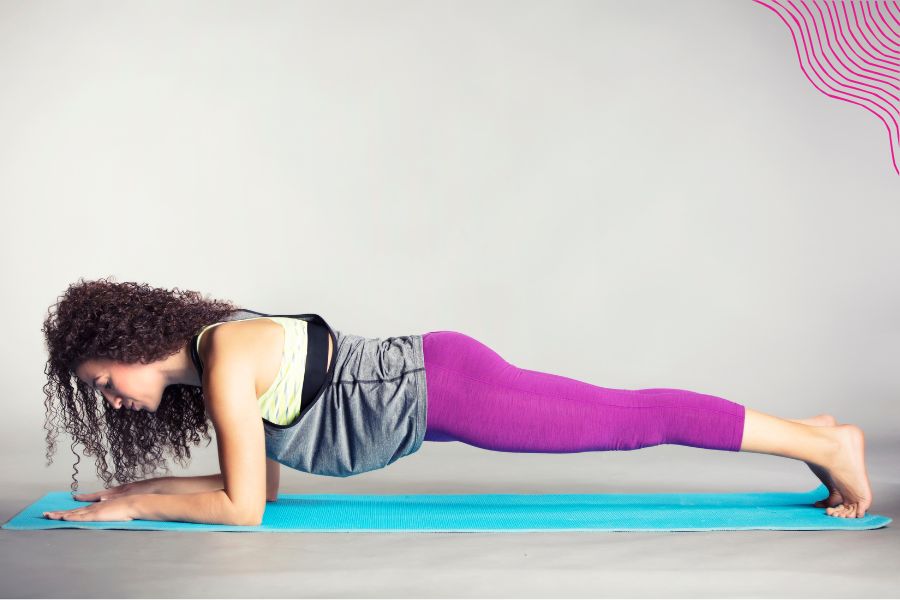
The plank-to-push-up builds full-body strength critical for runners. Start in a forearm plank position, shoulders over elbows, core tight. Push up one arm at a time to transition into a high plank (push-up position), keeping hips steady. Lower back to forearms with control. Aim for 8-10 reps, prioritizing form over speed.
Why it works: This move fires up your core stability (key for maintaining posture on long runs) and strengthens your upper body—shoulders, chest, and triceps. A strong core reduces wasted energy, letting you run farther without slumping.
Modification: If full planks are challenging, start with knees on the ground. Focus on smooth transitions, not depth.
Lifestyle Strides Tip: Add this to your routine 2-3x weekly. Our LS workshops break down each step to ensure you nail the technique—no guesswork required!
4. Glute Bridges: Activate Your Posterior Chain
Glute bridges target the often-neglected muscles that keep runners strong and injury-free. Lie on your back with knees bent and feet hip-width apart. Press through your heels, lift your hips toward the ceiling, and squeeze your glutes at the top. Lower slowly, maintaining control for 12-15 reps.
Why it works: This move combats “dead butt syndrome” (weakening glutes) by reactivating your posterior chain—glutes, hamstrings, and lower back. Strong glutes support pelvic alignment, reduce lower back strain, and prevent IT band pain caused by muscle imbalances.
Pro tip: For extra challenge, place a resistance band just above your knees and press outward as you lift. This engages your hip stabilizers, boosting strength for uneven terrain.
Lifestyle Strides Insight: Add glute bridges to your post-run cooldown or pair them with bodyweight squats in our LS routines. Consistency here means happier hips and smoother strides!
5. Lateral Lunges: Improve Mobility and Reduce Injury Risk
Lateral lunges are a secret weapon for runners battling tight hips or groin strain. Start standing tall, then step sideways with one leg, bending the knee while keeping your chest upright and opposite leg straight. Push back to start, repeating 8-10 reps per side.
Why it works: This move boosts hip mobility—critical for maintaining stride length—and strengthens often-ignored inner thigh muscles (adductors). Tight hips or weak adductors can lead to imbalances, increasing your risk of injury like groin strains or IT band issues. Lateral lunges build balanced strength, helping you stay agile on turns or uneven paths.
Lifestyle Strides Note: These lunges are perfect for warming up before runs. Join our guided workshops to learn how to weave them into your strength training programme for maximum impact. Start slow, focus on form, and watch your runs feel smoother and safer.
How to Structure Your Strength Training Program
A smart training plan keeps your strength workouts effective and sustainable. For runners over 40, aim for 2-3 sessions weekly, each 20-30 minutes. Here’s a simple routine:
- Pre-run (2 exercises): Warm up with dynamic moves like step-ups or lateral lunges to activate muscles.
- Post-run (3 exercises): Focus on stability with glute bridges, single-leg squats, and plank-to-push-ups.
This approach builds strength without overtaxing your body. Always prioritize recovery—rest 1-2 days between sessions and fuel with protein-rich meals. Skipping rest slows progress and hikes injury risk.
Common Mistakes to Avoid in Strength Training for Runners
Even small slip-ups can sideline your progress. Here’s what to watch for:
Skipping Warm-Ups: Jumping straight into weights strains cold muscles, increasing your risk of injury. Always start with 5-10 minutes of dynamic stretches or brisk walking.
Neglecting Unilateral Moves: Focusing only on squats or deadlifts ignores imbalances. Single-leg exercises (like step-ups) ensure major muscle groups work evenly, protecting posture and stride symmetry.
Rushing Reps: Speed sacrifices form. Slow, controlled lifts build strength safely—especially vital for runners over 40.
Lifestyle Strides Solution: Overtraining sneaks up fast. Our workshops offer personalized form checks to refine your technique and build a balanced plan. Small tweaks yield big gains—let’s keep you running stronger, longer.


