

Gentle exercise benefits aren’t just nice—they’re essential for keeping healthy, especially as we age. At Lifestyle Strides CIC, we help midlife individuals (over 40) make sustainable lifestyle changes that prevent health issues without burning out.
Intense workouts might seem like the fast track to results, but they often lead to injuries, burnout, or even worsening chronic conditions. Gentle exercise, on the other hand, builds strength and endurance slowly, making it easier to stick with it long-term.
Prevention is our core goal—whether it’s avoiding joint pain, managing high blood pressure, or reducing diabetes risk, gentle movement helps keep these problems at bay. In this article, we’ll explain why gentle exercise is more effective than intense workouts for prevention, compare its sustainability, share science-backed evidence, provide examples of gentle exercises you can do daily, discuss who benefits most, and offer tips for transitioning from intense to gentle routines.
Gentle Exercise Benefits: Why Prevention Matters More Than Performance
As we enter midlife, prevention transitions from a “nice-to-do” to a must-do. Bodies change—recovery slows, joints stiffen, and risks like type 2 diabetes rise. That’s where gentle exercise steps in: it’s built to protect, not push. Unlike intense workouts that strain muscles or spike stress, gentle movements (think walking, yoga, or light stretching) build strength gradually, reduce inflammation, and keep blood sugar stable—all without risking injury. For anyone over 40, this isn’t about hitting PRs or looking “fit”—it’s about staying active enough to live well, year after year. Safe, sustainable, and tailored to real-life needs: that’s the power of gentle exercise for prevention.
Gentle Exercise Benefits: Reducing Risk of Injury
Intense workouts might feel motivating, but they’re a minefield for injury—especially when you’re over 40. High-impact runs, heavy lifting, or sudden bursts of effort can strain muscles, tear ligaments, or accelerate joint wear-and-tear.
Gentle exercise eliminates that risk. Movements like walking, swimming, or gentle yoga keep joints moving smoothly without jarring impacts. They strengthen the muscles surrounding joints (knees, hips, shoulders) while preserving cartilage—critical for preventing arthritis or chronic pain down the line.
For midlife bodies, safety is non-negotiable. Gentle exercise lets you stay active without risking setbacks, so you can keep moving forward—no bandages or downtime required.
Gentle Exercise Benefits for Long-Term Adherence
Intense workouts often fizzle out—soreness, busy schedules, or burnout derail good intentions. Gentle exercise? It sticks. Walking, yoga, or light stretching fits into daily life without draining energy. You don’t need a gym membership or hours of prep—just 20 minutes of movement, most days.
That consistency is key. Small, sustainable efforts build healthy habits that last. Over time, regular gentle activity lowers diabetes risk, improves heart health, and keeps you mobile. Unlike intense routines that feel like a chore, gentle exercise becomes part of your routine—because it’s doable, not daunting.
For midlife adults, sticking with movement means staying active for decades. Gentle exercise makes that possible.
Gentle Exercise Benefits for Stress Management and Mental Well-Being
Midlife often comes with packed schedules—work pressures, family duties, or caregiving—that leave little room for rest. All that stress can spike cortisol, leaving you tired and overwhelmed. Intense workouts might feel like a solution, but if you’re already stressed, pushing too hard can worsen fatigue or anxiety.
Gentle exercise flips the script. Activities like yoga (with mindful breathing), a slow walk in nature, or tai chi’s flowing movements calm the nervous system. They lower cortisol, boost endorphins (your body’s “feel-good” chemicals), and help you unwind without added strain.
For midlife adults, this balance is key. Less stress means better sleep, more energy, and even improved blood sugar control—critical for preventing diabetes. When your mind feels steady, sticking to healthy habits (like regular movement) becomes easier. Gentle exercise isn’t just about physical health—it’s about nurturing mental well-being, too.
Gentle Exercise Benefits for Recovery, Immunity, and Chronic Conditions
Recovery matters more as we age—intense workouts can leave muscles achy or energy levels low, but gentle exercise helps your body heal without overdoing it. This is crucial for people managing chronic conditions, like diabetes, where overexertion can disrupt blood sugar control.
Gentle movement also boosts your immune system. Unlike intense exercise (which temporarily weakens immunity), moderate activities like walking or yoga increase white blood cell production—helping you fend off illnesses that could complicate existing health issues.
Plus, it prevents “overtraining syndrome”—a cycle of exhaustion that worsens conditions like hypertension. By choosing gentle exercise, you’re supporting recovery, strengthening immunity, and keeping chronic illnesses in check. It’s not about pushing harder—it’s about moving in a way that respects your body’s needs.
Gentle Exercise Benefits for Accessibility and Inclusivity
Intense workouts often feel out of reach for beginners, seniors, or anyone with mobility challenges—leading many to give up before starting. Gentle exercise? It’s designed for everyone.
Whether you’re new to fitness, have joint pain, or just want to stay active after 60, gentle movements like walking, chair yoga, or light stretching fit right in. No fancy gear, no gym membership—just movement that meets you where you are.
This inclusivity is key to prevention. When workouts are accessible, more people stick with them, reducing risks like type 2 diabetes. For midlife adults, feeling included (not excluded) makes staying active sustainable. Gentle exercise isn’t just good for your body—it’s good for making health possible for everyone.
Examples of Gentle Exercises That Deliver Prevention Benefits
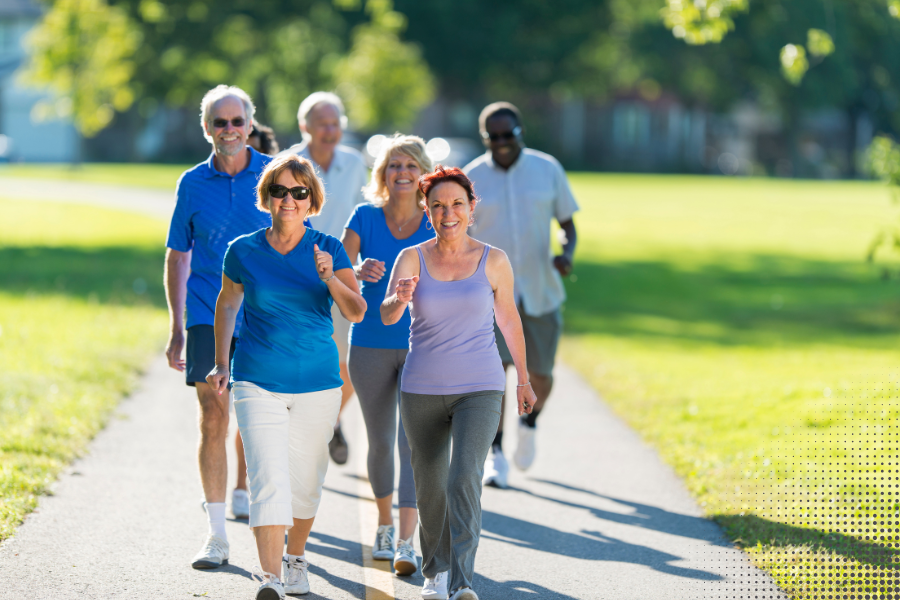
Walking is the simplest, most accessible, gentle exercise—and it packs a punch for prevention. A 30-minute daily stroll regulates blood sugar, improves circulation, and lowers diabetes risk—no gym needed. Just lace up shoes and go (even split it into 10-minute chunks!).
Yoga combines movement and breath, reducing stress (a significant contributor to high blood sugar) while building flexibility. Morning sun salutations or evening restorative poses fit easily into routines, calming the mind and supporting metabolic health.
Tai chi’s slow, flowing motions boost balance and lower blood pressure—perfect for seniors or anyone with joint concerns. Do it in a park or living room; it’s meditative and effective.
Swimming is a low-impact, full-body exercise that burns calories without straining knees or hips. A weekly swim session keeps weight in check and heart health strong.
Pilates focuses on core strength and posture, which supports overall metabolic function. Short mat sessions at home (follow online guides) build stability without intensity.
These exercises prove gentle movement doesn’t mean less impact—just smarter, sustainable prevention.
Transitioning from Intense to Gentle Routines for Better Prevention
Switching from intense workouts to gentle routines can feel like a step backwards—but it’s a leap forward for prevention. Here’s how to shift without guilt:
- Replace one session: Swap a high-intensity workout (like running) with a gentle option (walking, yoga) once a week. Gradually increase the number of gentle days until they outnumber the intense ones.
- Listen to your body: Stop if a workout causes pain or extreme fatigue. Gentle exercise should energise you, not drain you.
- Redefine success: Focus on how you feel—more energy, better sleep, or stable blood sugar—instead of speed or reps.
- Be patient: Transition takes time. Celebrate small wins (completing a gentle workout) instead of fixating on past intensity.
Prevention isn’t about being the fastest—it’s about being consistent. Gentle exercise lets you stay active for years, not just weeks. Your body (and health) will thank you.


